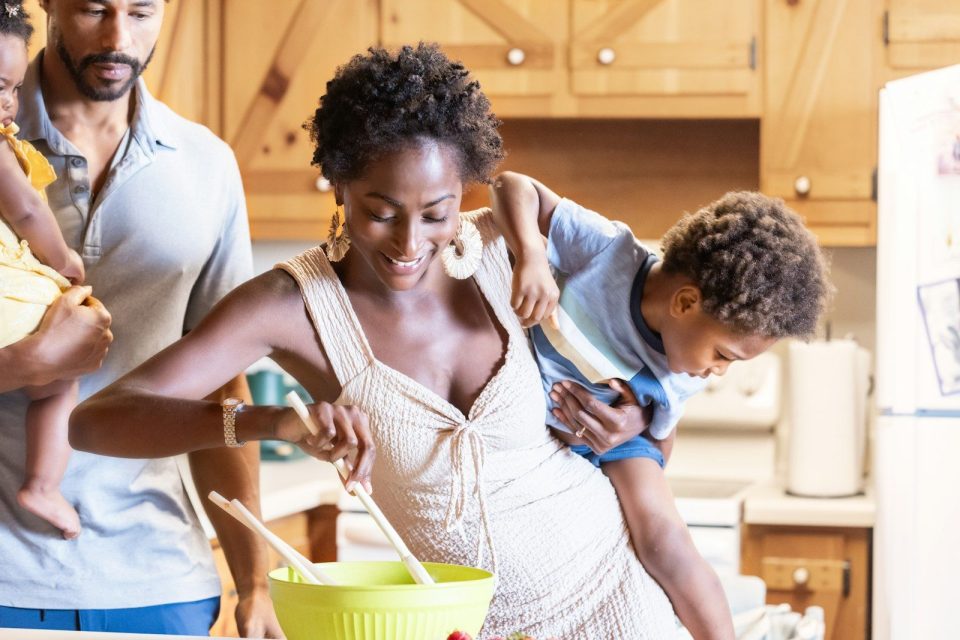
Making room for everyone in a blended family
Bringing two families together takes more than love. It takes patience, clear roles and plenty of grace on all sides.
When you remarry, or marry someone who already has children, you are not just starting a marriage. You are bringing together histories, habits, loyalties and, often, former partners who are still very much part of the picture. It is a lot for any family to absorb.
Blended families can be warm, close and deeply rewarding. Getting there usually takes longer than people expect, and it rarely follows a straight line.
Expect it to take time
Many couples hope everyone will settle in within a few months. In reality, children and adults alike can need much longer to adjust. A child who seemed fine at the wedding may struggle later. A teenager who was friendly at first may pull back as they work out where they belong.
Grief can be part of this too. Children may still miss the family they had before, even if they like you very much.
That does not mean you have failed. It means everyone is adjusting at their own pace, and the adults need to be patient with that.
Let the parent lead on discipline at first
One of the most common sources of tension is a step-parent stepping into discipline too quickly. Even with good intentions, it can feel to the child like an outsider taking over.
In the early stages, it often works better for the child’s own parent to handle discipline, while the step-parent focuses on building a relationship: spending time, showing interest, being reliable. Authority tends to follow trust, not the other way round. Agree on house rules together as a couple, then let the parent communicate them.
Respect the other household
Children often move between homes, or keep close ties with a parent who lives elsewhere, sometimes in another city or another country. Speaking badly about that parent, even when you are frustrated, puts children in an impossible position. They should never feel they have to choose.
Keep communication with former partners as calm and practical as you can. Where it is difficult, focus on what the children need rather than on winning the argument.
Children settle more easily when they are not asked to choose who to love.

Protect your marriage too
In a blended family, the couple relationship can easily get squeezed. There are schedules to juggle, loyalties to manage, and a constant sense of being pulled in different directions. Some parents feel guilty putting a new spouse first when their children have already been through so much.
Yet a steady marriage is one of the best things you can offer everyone in the home. Make time for each other. Talk privately about the hard moments before they become public arguments. Stand together, even when you see things differently.
You may also each bring hurts from before, such as a divorce or the loss of a spouse. Those experiences can make you quicker to expect the worst. Naming them gently to each other helps you respond to what is happening now.
Involve the wider family carefully
Grandparents, aunts, uncles and family friends all have opinions about a new marriage, and not all of them will be supportive at first. Some may treat stepchildren differently from their other grandchildren or nieces and nephews, often without realising it. Gently ask for fairness, and give relatives time to warm up.
Where family pressure is strong, agree as a couple on what you will and will not accept, and let each of you speak to your own relatives.
You do not have to work it out alone
Blending a family is one of the more complex things a couple can take on, and it is normal to feel stretched. Family life counselling can help you both find shared ground on parenting, roles and boundaries. If you are wondering whether it would help, a free 30-minute clarity call is an easy place to start.
Common questions
There is no fixed timeline, and it often takes longer than couples expect. Patience, consistency and realistic expectations help everyone adjust.
Early on, it often works better for the child’s own parent to lead on discipline while the step-parent focuses on building trust. You can still agree the house rules together as a couple.
Yes. Family life is one of the areas the Marriage Matters International team works with, and a clarity call is a good way to talk through what kind of support would suit you.
Take action
Reading this and recognising your own relationship?
You don’t have to work it out alone. Start with a free clarity call, or meet the counsellors and choose for yourself.